
Why Choose Plastic Bags for Your Business?
Choosing the right packaging affects cost, customer experience, and daily operations. For many retailers, a Plastic Bag remains practical because it is lightweight, flexible, and easy to store. A small shop can keep hundreds of bags beneath a counter without using much space. Staff can open, fill, and carry them quickly during busy hours. Strong handles also help customers transport clothing, groceries, or takeaway items more comfortably.
However, convenience should not be the only reason to choose one. Businesses should examine thickness, size, handle strength, sealing quality, and supplier consistency. Food-related operations may also need suitable materials and documented safety information. Local packaging rules must be checked before purchasing. A reliable supplier should provide clear specifications, batch details, and testing evidence when needed. Real-world trials can reveal weak handles, awkward dimensions, or excessive material use. These details are easy to miss on a product page.
Plastic Bag solutions are not perfect. They can reduce storage pressure, yet poor disposal habits create avoidable waste. Reusable designs may work better for some customers, while lightweight options may suit occasional purchases. The best decision depends on product weight, sales volume, customer expectations, and local requirements. It also deserves periodic review. A choice that works this year may need improvement next year. Careful comparison helps businesses balance performance, responsible sourcing, and reasonable cost without making unsupported environmental claims. That balance builds trust.
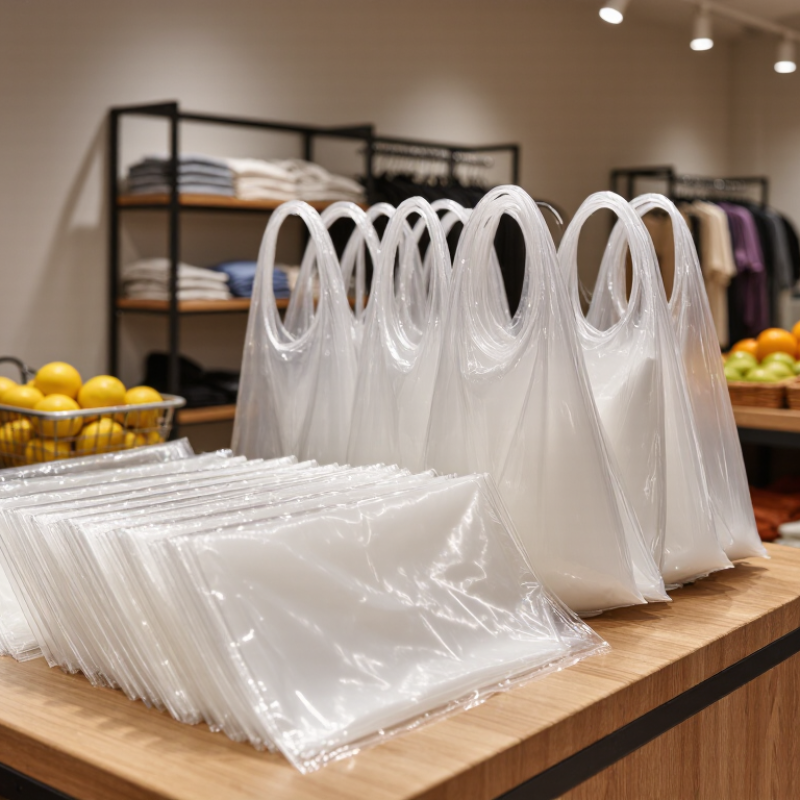
Business Packaging Needs and the Role of Plastic Bags
Why Choose Plastic Bags for Your Business?
Business Packaging Needs and the Role of Plastic Bags
Everyday packaging has to protect products, support quick handling, and fit the way a business serves customers. Plastic bags can meet these needs with little storage space. A stack beside a checkout counter takes up less room than many rigid containers. Their light weight also helps staff carry several packed orders at once.
The right bag depends on what goes inside. A small retail item may need a clear bag for easy viewing, while groceries often call for stronger handles and a wider base. For damp products, a sealed plastic bag can help keep moisture contained during short trips. Test the bag with the actual product. A sample may feel sturdy when empty, then stretch under a heavy load.
Plastic bags are not a perfect choice for every order. Thin bags can tear, and oversized bags waste material while allowing items to shift. Businesses can reduce these problems by matching bag size and thickness to typical loads, then checking for wear during regular use. A simple packing trial with a few real products often reveals more than a specification sheet. Still, the right choice can take some adjustment.
Key Benefits of Plastic Bags for Daily Operations
Plastic bags support daily operations because they are light, flexible, and easy to store. A stack of folded bags takes little space beside a checkout counter or packing table. Staff can reach for one quickly when customers need to carry groceries, clothing, or small household items. That small convenience can keep queues moving during busy periods.
They also help protect goods from dust, light splashes, and handling during short trips. For a shop packing several orders, consistent bag sizes make the process more predictable. Handles can make bags easier to carry, while different thicknesses suit different loads. A bag that is too thin may tear under heavy items, so matching strength to the job matters. Test a few sample bags with typical products before ordering in bulk. It is a modest step, but easy to overlook.
Plastic bags are not a perfect fit for every task. They can become waste when customers do not reuse or dispose of them thoughtfully, and damp or sharp items may need different packaging. Clear storage rules help staff keep bags clean and dry, away from heat and direct sunlight. Track how many bags are used each week; the numbers may reveal avoidable excess. Not glamorous, but useful.
Plastic Bag Types and Their Suitable Business Uses
Plastic bags remain useful because they are light, moisture-resistant, and easy to store. The right type matters more than the lowest unit price. Low-density polyethylene bags suit clothing, bakery items, and soft retail goods. Their flexibility helps protect products without adding much bulk. High-density polyethylene bags work well for groceries, hardware, and heavier everyday purchases. They feel stiffer and usually resist tearing better. Small details matter. The U.S. Environmental Protection Agency reported about 4.2 million tons of plastic bags, sacks, and wraps generated in 2018. This scale shows why material selection and recovery planning deserve attention.
Retailers often use T-shirt bags for quick checkout service. Flat bags fit books, documents, and neatly folded garments. Gusseted bags provide extra space for boxed products or takeout containers. Drawstring bags can support apparel packaging, event kits, or simple storage applications. Mailer bags offer light, water-resistant protection for non-fragile shipments. Food businesses need suitable food-contact materials and reliable sealing. A bag that looks strong may still fail at the handle.
The OECD Global Plastics Outlook reported 353 million tonnes of plastic waste worldwide in 2019, with only 9% recycled. That figure is difficult to ignore. Businesses can reduce waste by matching bag thickness to actual load requirements. Reusable options may work for frequent customers, while recycled-content bags depend on consistent supply and quality. A thinner bag is not automatically greener. Experience often exposes this mistake. Test filled bags in real conditions, including sharp edges, condensation, and rushed handling. Balancing cost, protection, and end-of-life planning remains imperfect, but it is more defensible than choosing by appearance alone.
| Bag Type | Common Material | Typical Features | Suitable Business Uses | Practical Considerations |
|---|---|---|---|---|
| T-shirt carrier bag | HDPE or sometimes LDPE | Two integrated handles; lightweight and easy to store in dispensers. | Grocery stores, convenience shops, pharmacies, takeaway counters. | Choose a suitable thickness and size for the expected load. Local rules may restrict or charge for single-use carrier bags. |
| Die-cut handle bag | Usually LDPE or HDPE | Flat bag with a handle opening cut into the top; can have a reinforced handle area. | Clothing retailers, gift shops, trade-show vendors, small boutiques. | The handle opening can concentrate stress, so match the bag design and film thickness to the products being carried. |
| Patch-handle bag | Usually LDPE | Cut-out handle reinforced with an added patch of film. | Department stores, apparel shops, footwear retailers, heavier retail purchases. | Reinforcement can improve handle strength, but the bag still needs to be sized and tested for its intended load. |
| Flat bag | LDPE, HDPE, or PP | Simple open-ended pouch without handles; available in a range of sizes and thicknesses. | Bakeries, hardware stores, bookstores, parts counters, product packaging. | Often needs a separate closure, such as a twist tie or seal. Confirm that the material is suitable for any food-contact use. |
| Gusseted bag | Usually LDPE or HDPE | Side or bottom folds expand to accommodate bulkier or irregularly shaped items. | Food shops, produce retailers, bakeries, and businesses packing boxed or bulky goods. | Check the filled dimensions and seal or closure requirements; gussets increase capacity but do not guarantee a higher load rating. |
| Reclosable zipper bag | Usually LDPE | Press-to-close track allows repeated opening and closing. | Electronics parts suppliers, craft shops, hardware stores, sample and component packaging. | Useful for keeping small items together. It is not automatically airtight, child-resistant, or suitable for every food or medical application. |
| Poly mailer | Usually LDPE or co-extruded polyethylene | Lightweight, flexible mailing envelope, commonly with a self-sealing adhesive strip. | Online retailers shipping clothing, textiles, and other non-fragile products. | Use protective packaging for fragile goods. Check carrier requirements and local options for recycling or take-back of film packaging. |
| Woven polypropylene sack | Woven PP fabric | Woven construction provides a durable bag format; may include a liner or laminated surface. | Agriculture, landscaping, building materials, and bulk dry goods. | Confirm safe working load and closure type. Laminated and lined versions may have different recycling options from uncoated woven PP. |
Cost, Customization, and Supply Considerations
Plastic bags remain attractive when cost control matters. The Flexible Packaging Association reported US flexible packaging sales of about $39.8 billion in 2022. That scale supports broad film production and competitive unit pricing. Thin bags also require less material than rigid containers. Lower shipping weight can reduce freight costs.
Customization adds practical value. A retailer can specify size, thickness, handle style, opacity, and print coverage. A 12-by-16-inch bag may fit folded shirts, while a wider gusset can hold boxed goods. Simple one-color printing often reduces setup complexity. However, customization is not automatically economical. Small orders may carry high plate, cylinder, or setup charges. A sample approved too quickly can create thousands of unusable bags. That mistake is expensive.
Supply planning deserves equal attention. Ask for minimum order quantities, production lead times, resin origin, and backup capacity. The 2022 OECD Global Plastics Outlook found that only 9% of global plastic waste was recycled in 2019. That figure makes material selection and end-of-life claims important. A supplier should provide clear specifications, not vague “eco” language. Recycled content may affect color, strength, and availability. It can also vary between production lots. I would test bags under real conditions, including cold storage, sharp corners, and overloaded handles. Procurement teams sometimes focus too heavily on the lowest quotation. That is understandable, but incomplete. A slightly higher unit price may prevent stockouts, failed deliveries, and customer complaints.
Environmental Responsibilities and Responsible Disposal Practices
Why Choose Plastic Bags for Your Business?
Environmental Responsibilities and Responsible Disposal Practices
Plastic bags can support clean, efficient business operations when chosen and managed carefully. They protect products from moisture, dust, and accidental spills. In busy stores, a strong bag can prevent damaged goods and reduce unnecessary replacement packaging. However, convenience should not excuse careless disposal.
Environmental responsibility begins with practical decisions. Select bags that match the product’s weight and purpose. Oversized bags waste material, while weak bags may split during transport. Keep used bags dry and free from food residue when local recycling services accept them. Many facilities do not accept contaminated plastic bags in household recycling bins. Check municipal instructions before placing them anywhere.
Small changes matter.
Place clearly labeled collection containers near staff areas and loading points. Train employees to separate reusable, recyclable, and general waste. Record how many bags arrive, how many are reused, and how much waste leaves the site. These simple figures can reveal avoidable consumption. A licensed waste contractor can explain collection requirements and provide written guidance.
We still make mistakes. A bag may enter the wrong container, or a recycling claim may be misunderstood. Reviewing these errors is more valuable than pretending operations are perfect. Businesses should question disposal instructions, update staff training, and request evidence from suppliers about material composition. Responsible practice grows through careful measurement, honest correction, and consistent daily habits.
