How to Source Corteva Chemicals for Global Buyers?
Sourcing Corteva chemicals for global buyers requires more than comparing prices on a spreadsheet. It demands product verification, supplier screening, regulatory awareness, and disciplined logistics planning. A shipment may look competitive until missing labels, unstable packaging, or delayed customs documents increase its real cost. Small details matter.
Corteva’s former Chief Executive Officer, Jim Collins, said, “We are committed to helping farmers maximize their productivity and profitability while also improving the sustainability of their operations.” That principle should guide every purchasing decision involving corteva chemicals. Buyers need to confirm the exact product name, active ingredient, formulation, batch number, shelf life, and approved application. They should also request current safety data sheets and certificates of analysis from dependable channels. Never rely on a copied product photograph.
A practical sourcing process starts with a written specification. It should identify destination markets, required volumes, packaging formats, delivery terms, and quality tolerances. Independent testing can add confidence when the order is large or the supplier is unfamiliar. Traceable records are essential. So is communication.
The process is not always perfect. Forecasts change, containers move slowly, and documents may contain avoidable errors. Experienced buyers leave time for correction. They also question unusually low quotations, because cheap supply can hide weak quality control or poor after-sales support. Responsible sourcing protects farmers, distributors, workers, and the environment. It also creates a more reliable global supply chain for Corteva products.
Define Corteva Chemicals and Identify Suitable Product Categories
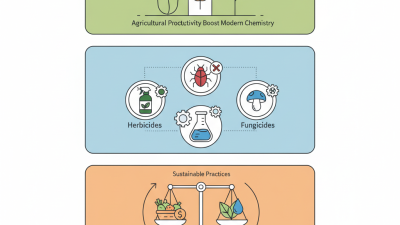
Crop-protection chemicals are agricultural products designed to manage weeds, insects, fungi, or other biological threats. Suitable categories include selective herbicides, insecticides, fungicides, and seed-treatment products. Each category serves a different field problem. A herbicide may control weeds between maize rows. A fungicide may protect wheat leaves during humid weather. Seed treatments protect seeds before planting. These products are not interchangeable. That distinction matters.
A reliable global buyer should define the active ingredient, formulation, concentration, target crop, and target pest. Then verify local registration, permitted uses, safety data, and transport requirements. Country rules can differ sharply. Request a current SDS, certificate of analysis, batch number, shelf-life statement, and traceability records. Packaging also deserves attention. A damaged twenty-liter container can create storage and handling risks. Ask suppliers for production capacity, lead time, minimum order quantity, and temperature guidance. Compare technical suitability before comparing price. Low cost can hide weak documentation or inconsistent quality. It happens.
Field conditions should guide the category choice. Rainfall, soil type, resistance history, and application equipment can change performance. A product suitable for dry farmland may fail during prolonged wet weather. Trial data from a similar climate is valuable, but it is not absolute proof. Buyers should review evidence with an agronomist and question unclear claims. A careful sourcing process is slower at the beginning, yet it reduces costly mistakes later.
How to Source Agricultural Chemicals for Global Buyers
Agricultural chemicals are crop-protection products used to control weeds, insects, fungal diseases, and seed-borne threats. Suitable sourcing categories should be assessed by active ingredient, formulation, registration status, safety documentation, and destination-country requirements.
The chart compares the molecular weights of representative generic active ingredients across major sourcing categories. Molecular weight is a factual chemical property and should be used together with efficacy, formulation compatibility, regulatory approval, transport classification, and required technical documents when evaluating suppliers.
Verify Regulatory, Safety, and Import Requirements in the Target Market
Global buyers should verify every regulatory requirement before sourcing agricultural chemicals for a target market. Product registration may be mandatory before sale, distribution, or field use. Check the active ingredient, formulation, approved crops, application rates, and local residue limits. A current safety data sheet should match the exact product and packaging.
Import rules also require careful review. Confirm the correct HS code, import permits, customs documents, and approved importer responsibilities. Labels may need the local language, hazard symbols, batch numbers, expiry dates, and disposal instructions. Storage conditions matter too. A shipment exposed to heat, moisture, or poor ventilation can create safety and quality problems. Use official government databases, customs portals, and recognized regulatory advisers as primary sources. Supplier statements alone are not enough.
Tips: Request registration certificates, laboratory specifications, certificates of analysis, and transport classifications before placing an order. Compare every document with the target country’s rules. Ask whether the product is permitted for the intended crop and use. Keep a written compliance file for audits and customs reviews. I have seen teams rely on an old label or translated document, then discover an approval had changed. Check again. Regulations and product registrations can change without much notice, and even experienced buyers may overlook a small packaging requirement.
Evaluate Authorized Suppliers, Distributors, and Global Sourcing Channels
Global buyers sourcing crop-protection chemicals need more than a low quotation. Start by checking whether each supplier is authorized to sell the requested product. Request current authorization letters, product registrations, safety data sheets, and certificates of analysis. Confirm the legal entity, warehouse address, and responsible sales contact. A reliable distributor should explain the supply route without hesitation.
Traceability matters. Ask for batch numbers, production dates, shelf life, packaging photos, and storage records. Match the product registration with the destination market before discussing shipment terms. Local rules differ sharply. An experienced buyer also verifies customs classification, import permits, labeling requirements, and transport conditions. Small documentation gaps can delay an otherwise legitimate order.
Global sourcing channels may include direct supplier contracts, regional distributors, audited trading companies, and established B2B platforms. Use online platforms for discovery, not automatic approval. Check ownership, export history, customer references, and warehouse operations. Request a pre-shipment inspection when practical. Video audits help, but remote evidence can mislead. Build at least two qualified channels, although managing both may increase administrative work. One uncomfortable lesson remains: a polished website proves little. Review the documents, the people, and the physical process. Reliability is demonstrated slowly.
| Evaluation Dimension | What Global Buyers Should Check | Reliable Evidence or Data Point | Typical Benchmark or Practical Range | Procurement Interpretation |
|---|---|---|---|---|
| Supplier Authorization | Confirm whether the seller is an authorized channel partner, appointed distributor, or independent reseller. | Current authorization letter, channel confirmation, official-domain correspondence, and traceable sales territory. | Authorization should be valid for the product, destination market, and transaction period. | Preferred Use authorized channels for regulated or technically sensitive materials. |
| Legal Entity Verification | Validate the supplier’s registered company name, address, tax identity, ownership information, and banking details. | Commercial registry extract, tax certificate, bank-account confirmation, and matching invoice information. | All legal and payment records should identify the same contracting entity. | Required Do not pay an unrelated third party without documented contractual authority. |
| Product Identity | Match the requested material by technical name, formulation, concentration, grade, package size, and intended use. | Specification sheet, product label, safety data sheet, certificate of analysis, and batch information. | Every quotation should state product identity and specification, not only a generic chemical description. | Required Prevents substitution with a chemically similar but unsuitable product. |
| Traceability | Establish a documented chain from manufacturer or authorized channel to the importing buyer. | Batch or lot number, production date, expiry or retest date, warehouse record, and shipping documents. | Traceability should cover the full quantity supplied and remain accessible after delivery. | Preferred Strong traceability reduces recall, quality, and customs risks. |
| Regulatory Documentation | Check destination-country registration, import permissions, labeling rules, restricted-use requirements, and local language obligations. | Current safety data sheet, regulatory status statement, import permit where applicable, and compliant label artwork. | Requirements vary by country and may differ according to use, concentration, and hazard classification. | Required Regulatory approval must be confirmed before shipment, not after arrival. |
| Hazard Classification | Review transport classification, hazard statements, signal words, storage requirements, and emergency procedures. | Safety data sheet prepared under the applicable jurisdictional standard and transport declaration. | Classification can affect packaging, carrier selection, insurance, and total landed cost. | Required Never rely on a quotation alone to determine transport or storage requirements. |
| Quality Assurance | Evaluate manufacturing controls, sampling procedures, batch consistency, complaint handling, and corrective-action processes. | Certificate of analysis, quality agreement, audit questionnaire, and documented nonconformance process. | Use pre-shipment testing or independent inspection for high-value or high-risk orders. | Preferred Quality controls should match the material’s technical and regulatory risk. |
| Shelf Life | Confirm remaining shelf life at dispatch, storage conditions, retest policy, and acceptance criteria upon receipt. | Batch certificate, manufacturing date, expiry or retest date, and storage-temperature records. | Buyers commonly specify a minimum remaining shelf-life requirement in the purchase contract. | Conditional Particularly important for temperature-sensitive or time-limited materials. |
| Supply Availability | Distinguish between inventory held locally, regional stock, allocated production, and spot-market availability. | Stock confirmation, warehouse location, allocation status, and planned replenishment date. | Local stock generally supports faster delivery; allocated production requires longer planning. | Preferred Select the channel according to urgency and continuity requirements. |
| Typical Lead Time | Assess the time required for quotation, compliance review, production allocation, export clearance, and transport. | Written lead-time commitment tied to order quantity, destination, shipping mode, and documentation status. | Regional stock may ship within days; production and international replenishment commonly require several weeks. | Conditional Treat quoted lead times as assumptions until inventory and compliance are confirmed. |
| Minimum Order Quantity | Compare supplier minimums with the buyer’s annual demand, storage capacity, and cash-flow limits. | Formal quotation stating minimum order, package configuration, pallet quantity, and price breaks. | Minimums are often determined by original packaging, palletization, production batch size, or export economics. | Conditional Smaller orders may be more practical through regional distribution channels. |
| Packaging and Handling | Verify container material, closure integrity, pallet configuration, tamper evidence, and compatibility with the product. | Packaging specification, photographs, packing list, and handling instructions. | Packaging must comply with product requirements and applicable transport regulations. | Required Packaging failures can create safety, contamination, and customs problems. |
| Incoterms and Risk Transfer | Clarify which party manages export clearance, freight, insurance, import clearance, duties, and delivery to site. | Named Incoterms rule, named place, freight quotation, insurance terms, and responsibility matrix. | Use the current Incoterms edition and specify the exact named place rather than only a city or country. | Required Comparable landed-cost analysis depends on clearly defined delivery responsibilities. |
| Total Landed Cost | Compare material price with freight, insurance, customs duties, taxes, inspection, storage, and inland delivery. | Itemized commercial quotation and landed-cost model in a common currency. | Lowest unit price is not necessarily the lowest total cost after compliance and logistics expenses. | Preferred Evaluate total landed cost rather than product price alone. |
| Payment Terms | Review deposit requirements, credit terms, currency, bank charges, documentary conditions, and payment milestones. | Pro forma invoice, contract, verified banking instruction, and agreed payment schedule. | Use enhanced verification for first transactions, advance payments, or changed banking instructions. | Required Payment controls should be independent of the salesperson handling the order. |
| Logistics Channel | Choose between direct sourcing, regional distribution, specialist chemical logistics, or an approved procurement platform. | Carrier capability, route plan, handling authorization, delivery performance, and tracking process. | Direct sourcing may suit recurring volume; distribution may suit smaller, urgent, or multi-country orders. | Conditional Channel selection should reflect volume, geography, urgency, and regulatory complexity. |
| Inspection and Acceptance | Define inspection timing, sampling method, acceptance limits, document review, and claims procedure. | Purchase specification, inspection report, certificate of analysis, delivery record, and deviation protocol. | Acceptance criteria should be agreed before shipment and linked to the purchase order. | Preferred Written acceptance rules reduce disputes over quality and quantity. |
| Supplier Performance | Track on-time delivery, documentation accuracy, batch conformity, response time, and complaint resolution. | Supplier scorecard, delivery history, corrective-action records, and periodic review results. | Review performance at least annually or more frequently for critical materials. | Preferred Use measurable performance indicators when approving repeat suppliers. |
| Continuity Planning | Assess alternative approved channels, geographic diversification, safety stock, and disruption communication procedures. | Business-continuity plan, backup supplier assessment, inventory policy, and escalation contacts. | Critical materials should have a documented contingency option before a supply interruption occurs. | Preferred Dual-channel planning improves resilience without requiring duplicate routine orders. |

Compare Product Quality, Pricing, Minimum Orders, and Delivery Terms
Global buyers should compare crop-protection chemicals through verified specifications, not product names alone.
FAOSTAT reported about 3.7 million tonnes of pesticide use worldwide in 2022. That scale makes batch consistency critical. Request an assay certificate, impurity profile, SDS, and recent sample before negotiating price. Check active-ingredient concentration, physical form, packaging strength, and storage temperature. A low quotation means little if the material fails a laboratory test.
Pricing should include the landed cost.
Compare product value, testing fees, documentation, insurance, inland transport, and customs handling. Minimum orders also deserve careful review. A large order may reduce the unit price but increase warehouse exposure and cash pressure. For a new supplier, a smaller trial quantity can reveal packing defects or unstable dispersion. It may cost more. That is sometimes safer. OECD-FAO Agricultural Outlook data shows continuing growth in agricultural output, yet demand does not remove quality risk.
Delivery terms need equal attention.
UNCTAD reports that maritime shipping carries over 80% of global merchandise trade by volume. Ask for a clear Incoterm, production lead time, port of loading, container type, and delay procedure. Confirm whether documents arrive before the cargo. A practical comparison should model two routes, not one. Weather, port congestion, and seasonal demand can change the result. One imperfect assumption remains common: buyers often compare supplier quotes without testing the complete delivered cost. That gap deserves correction.
Complete Supplier Due Diligence, Contracting, Shipping, and Compliance Checks
Global chemical sourcing starts with supplier due diligence, not a price request. Verify the supplier’s legal entity, manufacturing site, export permissions, quality certifications, and beneficial ownership. Request recent SDS files, certificates of analysis, batch records, and independent test results. Check whether specifications match the destination country’s registration and labeling rules. Small gaps matter.
A practical contract should define purity, tolerances, packaging, shelf life, inspection rights, rejected-batch procedures, and liability limits. Use clear Incoterms and name the party responsible for export documentation. The 2024 UNCTAD Review of Maritime Transport reported 2.4% growth in global maritime trade during 2023. Delays remain realistic. Include shipment milestones, demurrage rules, insurance requirements, and a workable force majeure clause.
Before loading, confirm the current SDS, harmonized tariff code, transport classification, container condition, and required permits. Customs brokers should review documents before departure, not at the border. The World Bank Logistics Performance Index 2023 evaluates customs, infrastructure, logistics competence, tracking, and timeliness. Use these areas when comparing routes and suppliers. I have seen buyers rely on old compliance files. That is a weak habit. Recheck sanctions screening, destination restrictions, and product registrations for every transaction. Keep an audit trail with dated emails, approvals, test reports, and shipping records. Mistakes still happen. A second-person review is worth the extra hour.
Related Posts
-
How to Use Corteva Chemicals for Improved Agricultural Productivity?
-
Top 10 Corteva Chemicals for Sustainable Agriculture Practices
-
Top 10 Corteva Chemicals for Enhancing Soil Health and Crop Yields
-
Why is Crop Protection Essential for Sustainable Farming?
-
Top 10 Farm Chemicals You Need to Know for Successful Agriculture?
-
Why Choose Corteva Herbicides for Effective Crop Protection?