How to Choose the Right Chemical Weed Control Products?
Choosing the right chemical weed control product requires more than selecting the strongest formula. A suitable product must match the weed species, crop, soil, weather, and application site. Misidentification can waste money and damage desirable plants. Look closely at leaf shape, growth stage, and infestation patterns before making a decision.
Read the product label carefully. It provides essential information about approved uses, application rates, protective equipment, re-entry periods, and environmental precautions. Choose registered products from reliable manufacturers, and follow local regulations. Never increase the dose because weeds appear difficult to control. More chemical does not always mean better results. It may increase runoff, resistance, or harm to nearby plants, insects, and water sources.
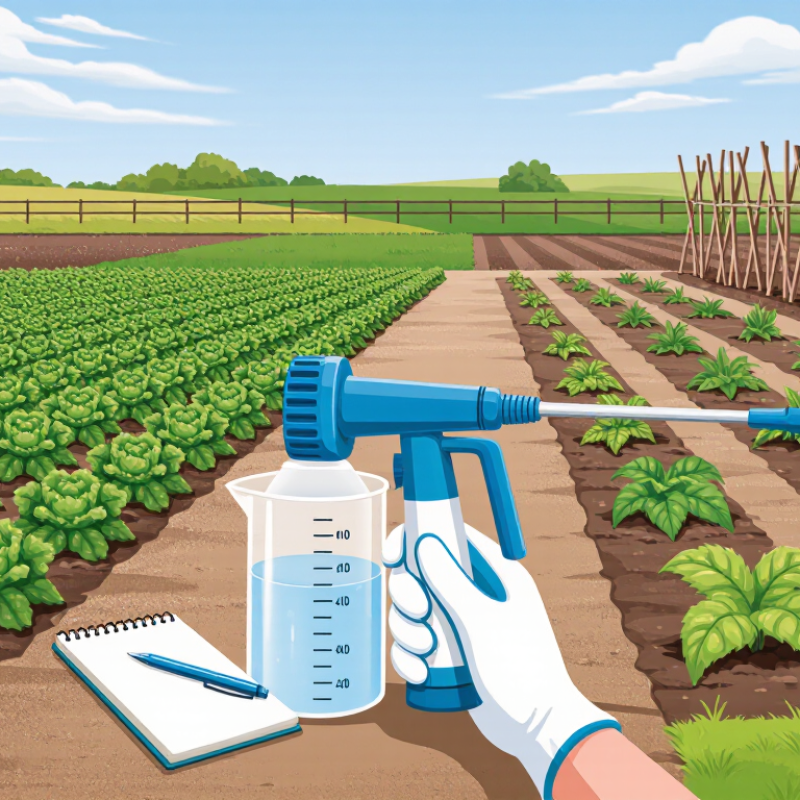
Good decisions also consider integrated weed management. Mulching, hand removal, mowing, and improved soil cover can reduce chemical dependence. Experienced professionals often check wind speed, rainfall forecasts, and sprayer calibration before treatment. Small details matter. Keep application records, including the product, rate, date, weather, and observed results. These notes support safer future decisions, although they cannot replace professional advice.
Some treatments may fail, even when applied correctly. Resistant weeds, poor timing, or hidden roots can complicate control. Reassess the situation instead of repeating applications automatically. When the site is near homes, schools, waterways, food crops, or sensitive habitats, consult a licensed local specialist. Responsible chemical weed control protects both immediate results and long-term soil and ecosystem health.
Define the Weed Problem and Identify the Target Species
How to Choose the Right Chemical Weed Control Products?
Define the Weed Problem and Identify the Target Species
Choosing a weed control product begins with accurate identification, not a quick visit to the garden. Walk through the affected area and record where weeds appear. Note their height, leaf shape, stem texture, flowers, and seed heads. Dig up one plant when possible. Root structure can reveal differences that leaves hide.
In field inspections, I have seen similar-looking weeds respond very differently to the same treatment. That mistake was expensive. Take clear photographs in daylight, including the whole plant and close leaf details. Check whether the weed is annual, perennial, grassy, broadleaf, or sedge-like. Also inspect its growth stage. Young plants may be easier to control, while mature plants can resist treatment and produce seeds quickly.
The site itself matters. Identify nearby crops, lawns, waterways, trees, and sensitive plants. Record soil moisture, recent rainfall, and areas with repeated weed growth. These details can indicate poor drainage, compacted soil, or disturbed ground. They also help prevent damage to desirable vegetation. If identification remains uncertain, consult a qualified agricultural professional or local extension service. Compare advice with the product label and current local regulations. Labels provide legally required directions, protective measures, application limits, and environmental warnings. Do not choose a product only because it worked somewhere else. The weed, site, weather, and application timing may all be different. My own field notes are useful, but they are never a substitute for verified identification.
Compare Herbicide Types, Formulations, and Modes of Action
Choosing a chemical weed control product starts with identifying the weed, crop, growth stage, and application site.
Selective herbicides target certain weeds while protecting a crop.
Non-selective products affect most green plants they contact. Contact herbicides act quickly on treated leaves, but systemic products move through plant tissues and may control roots more effectively.
Formulation also changes handling and performance.
Emulsifiable concentrates mix with water and may improve coverage, while suspension concentrates often reduce dust during measuring. Water-dispersible granules can be convenient, but they require careful agitation.
Read the product label for mixing order, water volume, protective equipment, buffer zones, and approved uses.
Small errors can cause uneven control or crop injury.
Mode of action is equally important.
It describes how the herbicide disrupts plant growth, such as amino acid production, cell division, or photosynthesis. Repeating one mode of action can select resistant weeds, especially when survivors produce seeds.
Rotate effective mode-of-action groups, use proper rates, and combine chemical control with cultivation, mulching, or crop competition when suitable.
Scout before and after treatment. Weather matters: wind can move spray, while rain may reduce absorption. Field records help reveal patterns, although they are not perfect.
A weed that survives may reflect resistance, poor coverage, late timing, or an incorrect diagnosis.
Test assumptions before applying again.
Evaluate Site Conditions, Safety Risks, and Environmental Impact
Choosing the right chemical weed control product starts with the site, not the shelf. Walk the area before making a decision. Note weed species, growth stage, soil type, drainage, and nearby plants. A product suited to gravel may damage turf or ornamental beds. Check shaded corners carefully. Weeds often grow differently there.
Weather also affects safety and performance. Avoid spraying during strong wind, heavy rain, or extreme heat. Wind can carry fine droplets toward gardens, ponds, or neighboring properties. Read the current product label and follow local agricultural guidance. Wear the listed protective equipment, including gloves, eye protection, and suitable clothing. Keep children and animals away during treatment and until the label allows re-entry. Small details matter.
Environmental risk deserves equal attention. Maintain untreated buffer areas near water, drains, flowering plants, and habitats used by pollinators. Choose the least persistent option that can control the identified weed. Do not mix products unless the label specifically permits it. Store and dispose of materials according to local rules. Keep a simple record of weather, application area, and observed results. This supports safer decisions later. My own field notes are not always complete, and that is worth admitting. A missed drainage channel or misidentified weed can change the entire risk assessment. When uncertainty remains, consult a qualified local professional before treatment.
How to Choose the Right Chemical Weed Control Products?
Evaluate site conditions, safety risks, and environmental impact before selecting an active ingredient.
The chart compares representative water solubility and soil half-life values for commonly referenced herbicidal active ingredients. Higher solubility may increase mobility toward drains or groundwater, while a longer soil half-life may indicate greater persistence. Actual values vary with formulation, soil type, temperature, moisture, and application rate.
Use these indicators together with site slope, soil texture, drainage, nearby water, weather conditions, applicator safety requirements, and the legally approved label. Reference sources:
National Pesticide Information Center and
Pesticide Properties DataBase.
Plan Responsible Use, Resistance Management, and Follow-Up Control
How to Choose the Right Chemical Weed Control Products?
Responsible weed control begins before opening the container. Identify the weed, its growth stage, and the crop’s tolerance. Read the current product label carefully. It provides legal rates, approved uses, protective equipment, and application restrictions. Never select a product by price alone. A cheaper option may fail against mature weeds, increasing labor and repeat applications.
Plan resistance management with the active ingredient, not only the product name. Avoid repeating the same mode of action across consecutive treatments. Rotate effective groups when agronomically and legally appropriate. Use accurate sprayer calibration, clean water, and suitable weather conditions. Wind, heat, and rain can reduce control or move spray beyond the target area. Small details matter.
Follow-up control should be scheduled, not improvised. Inspect treated areas after the expected control period, then record surviving weeds, weather, rate, and timing. Remove escapes before they produce seed, using approved mechanical or cultural methods where practical. Good records support better decisions next season. In field monitoring, one mistake is often trusting a single inspection. Some weeds recover slowly. Check again.
I have seen programs fail because treatment ended when spraying stopped. It did not. Protective clothing, safe storage, and disposal must follow local requirements. Keep children, animals, and unprotected workers away from treated areas. When results are uncertain, consult a licensed agronomist or local extension specialist before changing the plan.