How to Choose a Top Panko Manufacturer in China?
Choosing a reliable Panko Manufacturer in China requires more than comparing prices and attractive product photos. The right partner should demonstrate consistent production, clear ingredient sourcing, and dependable export experience. Panko quality can change noticeably when flake size, moisture, or frying performance is poorly controlled. A sample may look bright and crisp, yet become oily after preparation. That detail matters.
A practical evaluation should examine the factory, not only its sales documents. Ask about wheat flour suppliers, production capacity, allergen controls, sanitation routines, and batch testing. Request recent certificates, but verify their validity and scope. Standards such as HACCP, ISO 22000, or BRCGS can support confidence, though certification alone does not guarantee excellent bread crumbs. An experienced buyer should also review packaging strength, shelf-life records, container loading methods, and response times during complaints.
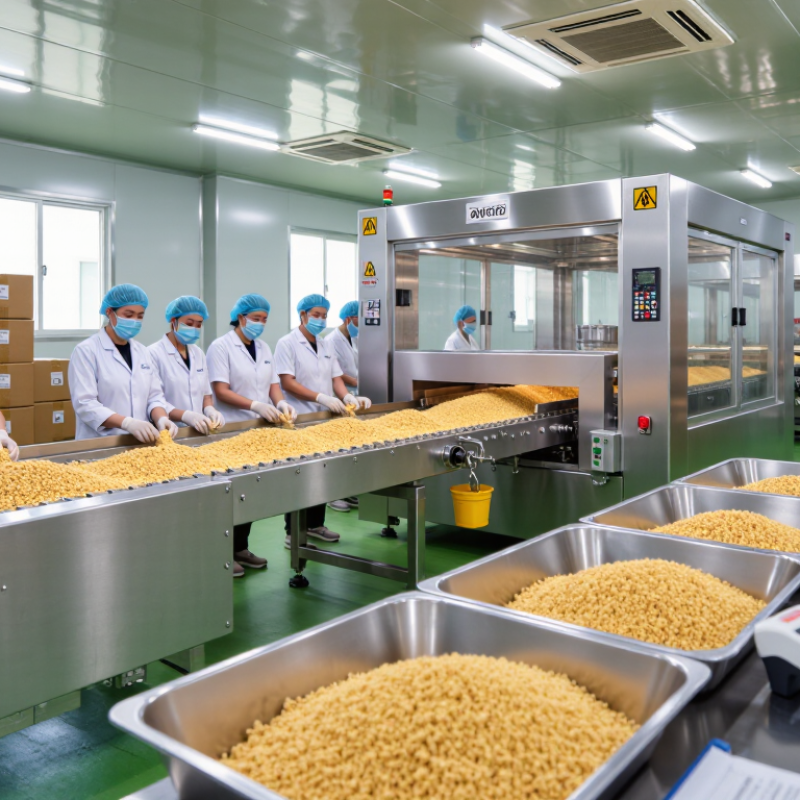
Real factory experience often reveals small differences. Observe whether operators check flake uniformity during production. Test the product in your own kitchen or processing line. Record color, crunch, oil absorption, and breakage after frying. No supplier is perfect. Communication may still fail during busy seasons, and sample performance may not represent every shipment. That is why transparent corrective actions matter. A trustworthy Panko Manufacturer explains limitations, accepts reasonable inspection, and improves documented processes. The following guide explores how to compare Chinese manufacturers with practical questions, quality checkpoints, and commercial considerations. It aims to support a careful decision, not simply promote the lowest quotation.
Understanding What Makes a Reliable Panko Manufacturer in China
How to Choose a Top Panko Manufacturer in China?
Understanding What Makes a Reliable Panko Manufacturer in China
A reliable panko manufacturer should show control at every production stage. In practice, this means checking flour sources, mixing records, baking temperatures, and cooling conditions. Panko needs a light, crisp structure. Poor moisture control can create soft crumbs or uneven frying results. Ask for recent product samples. Compare particle size, color, aroma, and oil absorption after frying. Details matter.
Food safety evidence should be clear and verifiable. Request allergen controls, sanitation procedures, batch traceability, and laboratory test reports. Certifications can support trust, but they should match the actual factory and production line. A dependable supplier can explain how one batch is linked to its raw materials and packing date. Ask for evidence. Vague answers deserve caution.
Communication also reveals manufacturing discipline. A professional factory confirms specifications, carton details, lead times, and inspection standards in writing. It should discuss private requirements without promising impossible results. During one supplier evaluation, a sample looked excellent, but its packaging was weak during transport. That small failure changed the decision. No factory is perfect. What matters is whether the team identifies problems, corrects them, and documents the improvement. A factory visit or independent audit can reveal storage conditions that sales materials often miss. Reliability is built through repeatable performance, not attractive samples alone.
How to Choose a Top Panko Manufacturer in China
Recommended buyer-evaluation weighting for comparing manufacturers without relying on brand names
Food safety systems and traceability should receive the highest priority, followed by product consistency, export readiness, and delivery capability.
Checking Product Quality, Ingredients, and Food Safety Standards
How to Choose a Top Panko Manufacturer in China?
A dependable panko manufacturer should show consistent product quality across different production batches. Inspect the crumb size, color, aroma, moisture, and frying performance. Good panko should feel light, dry, and crisp after cooking. Ask for samples from several batches, not just one attractive package. A stable supplier can explain its flour source, yeast, oil, salt, and permitted processing aids clearly. Ingredient lists should be simple and match the actual product formula. Watch for unexplained additives or vague descriptions. Small inconsistencies may reveal larger quality problems.
Tips: Request a current specification sheet, certificate of analysis, allergen statement, and sample before ordering. Check moisture, microbiological results, and shelf-life data. Confirm whether the factory controls wheat, milk, egg, or other allergens. Food safety systems such as HACCP, GMP, and ISO 22000 can support confidence. However, certificates need verification. Paperwork alone is not proof of daily discipline.
Visit the facility when possible, or arrange an independent audit. Observe handwashing points, storage conditions, pest controls, and production records. Ingredients should be stored off the floor and protected from humidity. Traceability should connect finished cartons with production dates and raw materials. Ask how the manufacturer handles complaints and product recalls. Experienced buyers also review packaging strength and transport protection. A beautiful sample can hide weak controls. I would not ignore minor labeling errors, even if the panko fries well. Reliability grows from repeated evidence, not promises.
| Evaluation Dimension | What to Check | Practical Acceptance Criteria | Relevant Standard or Reference | Evidence to Request | Priority |
|---|---|---|---|---|---|
| Ingredient transparency | Review the complete ingredient list, including flour, yeast, salt, sugar, oil, emulsifiers, preservatives, and processing aids. | Ingredients should match the approved product specification and be declared in descending order by weight where required. No undeclared additives or fillers. | China GB 7718 for prepackaged food labeling; China GB 2760 for the use of food additives. | Current formula, ingredient specification, additive declaration, and finished-product label artwork. | Critical |
| Wheat and gluten control | Confirm wheat flour origin, gluten allergen declaration, and controls for cross-contact with milk, egg, soy, sesame, or other allergens. | All allergens present in the recipe or manufacturing environment should be identified, labeled, and controlled according to the buyer’s destination-market requirements. | GB 7718 labeling requirements and the applicable allergen rules of the importing country. | Allergen matrix, segregation procedure, cleaning validation records, and allergen statement. | Critical |
| Crumb size and shape | Measure particle-size distribution, flake shape, fines, and oversized pieces using the agreed sieve or image-analysis method. | Set a written product range, such as fine, medium, or coarse panko, with an agreed tolerance for undersize and oversize particles. Do not rely only on visual descriptions. | Buyer-approved product specification and validated internal sieve method. | Particle-size test report, retained sample, sieve records, and approved reference sample. | High |
| Moisture and crispness | Check moisture, water activity, crispness after frying or baking, and resistance to softening during storage. | Use a buyer-defined moisture and water-activity limit validated for the product and packaging. Results must remain within specification throughout the stated shelf life. | Validated internal method; water activity is commonly measured under ISO 18787 or an equivalent validated method. | Batch moisture and water-activity results, frying-performance test, and shelf-life study. | High |
| Color and appearance | Evaluate whiteness or cream color, burn marks, dark particles, foreign material, and visual uniformity. | No visible mold, insects, stones, metal, glass, or unexplained dark particles. Color range and defect tolerance should be defined with photographs or physical samples. | Good Manufacturing Practice requirements under GB 14881 and the buyer’s finished-product specification. | Incoming and finished-product inspection records, defect catalogue, and production samples. | High |
| Flavor and odor | Check for stale, sour, rancid, burnt, chemical, or moldy odors before and after cooking. | Product should have a clean wheat-bread aroma and no off-odor. Sensory evaluation should use a documented method and trained or approved assessors. | Buyer-approved sensory specification and documented quality-control procedure. | Sensory evaluation form, batch samples, complaint records, and corrective-action reports. | High |
| Microbiological safety | Test for total plate count, yeasts and molds, and relevant pathogens based on the product risk assessment and destination market. | Each tested batch must comply with the applicable legal limits and the buyer’s microbiological specification. Pathogen testing should be performed by a competent laboratory. | China GB 29921 where applicable, plus destination-market microbiological requirements. | Recent batch COA, laboratory accreditation details, sampling plan, and environmental-monitoring records. | Critical |
| Chemical contaminants | Assess heavy metals, mycotoxins, pesticide residues, and other contaminants relevant to wheat-based products. | Results must meet the applicable maximum limits for the product category and destination market, with risk-based testing of flour and finished product. | China GB 2762 for contaminants; China GB 2763 for pesticide residues; other applicable national limits. | Raw-material COAs, risk-assessment plan, independent laboratory reports, and supplier approval records. | Critical |
| Foreign-material prevention | Verify sieving, magnets, metal detection, X-ray inspection where used, glass-and-brittle-plastic control, and line clearance. | Controls should be validated, routinely challenged, documented, and linked to a corrective-action process. Critical control limits must be defined in the HACCP plan. | GB 14881 and the facility’s HACCP-based food-safety plan. | HACCP flow chart, detector challenge records, preventive-maintenance records, and incident logs. | Critical |
| Food-safety management system | Check whether the facility operates a documented HACCP system or a certified food-safety management system. | Prefer a current, independently audited certification such as ISO 22000, FSSC 22000, or a recognized HACCP certification, while verifying the certificate scope and site address. | ISO 22000, FSSC 22000, HACCP principles, and applicable Chinese food-production requirements. | Valid certificate, audit report, scope, expiry date, nonconformity closure, and latest surveillance result. | Critical |
| Traceability and recall readiness | Test whether raw materials, packaging, production lots, laboratory results, and shipments can be traced in both directions. | The manufacturer should be able to identify affected lots quickly and demonstrate a documented mock recall at a defined frequency. | GB 14881 traceability and recall requirements; applicable importing-country regulations. | Mock-recall report, lot-coding procedure, dispatch records, and corrective-action documentation. | Critical |
| Packaging and shelf life | Review packaging barrier properties, seal integrity, oxygen or moisture protection, lot coding, and storage conditions. | Packaging should protect the product from moisture, contamination, and physical damage. Shelf life must be supported by real-time or scientifically justified stability data. | GB 7718 labeling requirements and the buyer’s packaging specifications. | Packaging specification, seal-strength or integrity results, shelf-life study, storage instructions, and transport test records. | High |
| Label and export documentation | Confirm product name, ingredient list, allergen declaration, net quantity, production date, shelf life, storage conditions, lot number, and country-of-origin information. | Label information should be consistent with the formula, test reports, purchase contract, and destination-market legal requirements. | China GB 7718 and the labeling rules of the importing country. | Final label proof, product specification, COA template, commercial invoice data, packing list, and export documents. | High |
| Batch consistency | Compare multiple production batches for crumb size, moisture, color, sensory profile, microbiology, and cooking performance. | All tested batches should meet the same approved specification. Any deviation should have a documented investigation and disposition decision. | Approved product specification, statistical process-control procedure, and quality agreement. | At least three representative batch COAs where available, retained samples, trend charts, and deviation records. | Critical |

Evaluating Manufacturing Capacity, Customization, and Packaging Options
How to Choose a Top Panko Manufacturer in China?
Choosing a top panko manufacturer in China requires more than comparing quotations. Manufacturing capacity must match your forecast, seasonality, and delivery schedule. Ask for monthly output, line speed, storage space, and backup equipment. Review recent batch records, not only factory photographs. Measure crumb size, color, moisture, bulk density, and breakage rates. A capable supplier should explain its inspection points clearly. The FAO reports that 13.2% of food is lost globally between harvest and retail. Better process control can reduce avoidable waste.
Customization should be practical, not decorative. Confirm particle grades, frying performance, color targets, allergen controls, and ingredient adjustments. Request pilot samples from the actual production line. Laboratory samples can look impressive, yet perform poorly in commercial kitchens. Discuss minimum order quantities and changeover time. Small custom orders may disrupt production. That limitation matters. Documentation also deserves scrutiny. Check batch traceability, sanitation procedures, calibration records, and food-safety certification through independent verification.
Packaging affects shelf life, transport damage, and customer handling. Evaluate inner bags, cartons, sealed pouches, and moisture-barrier materials. Ask whether the package protects crispness during humid shipping. UNEP’s Food Waste Index Report 2024 estimates 1.05 billion tonnes of food were wasted in 2022. Packaging cannot solve every loss, but weak seals create unnecessary waste. Test filled cartons through vibration and drop trials. Check label accuracy, pallet patterns, and container loading plans. No manufacturer is perfect, so record one weakness and judge its corrective response.
Comparing Prices, Minimum Orders, and Export Service Capabilities
How to Choose a Top Panko Manufacturer in China?
Price is important, but the lowest quote rarely tells the full story. During factory evaluations, I compare panko prices by kilogram, packaging, grade, and delivery terms. A quote of 1.20 dollars per kilogram may exclude inner bags, cartons, or port handling. Ask for a detailed cost sheet. Request samples from the same production line. Check color, flake size, crispness, and moisture after frying. Small differences can affect restaurant portions and retail consistency.
Minimum order quantity also deserves careful attention. Some manufacturers accept 500 kilograms for a trial order, while others require several tons. A smaller MOQ reduces inventory pressure, especially for new buyers. However, it may increase the unit price. Ask whether mixed specifications can share one shipment. Confirm the sample fee, production deposit, and replacement policy for damaged cartons. These details are easy to overlook. They can become expensive later.
Export service often separates a capable supplier from a basic factory. Confirm experience with commercial invoices, packing lists, certificates, labeling, and container loading. A reliable export team should explain lead times clearly. They should also provide carton dimensions and pallet information before booking freight. Ask how they handle moisture protection during long sea transport. Some suppliers respond quickly before payment, then become slow afterward. This is a warning sign. I would also verify factory records, traceability procedures, and recent shipment references. No supplier is perfect, and unclear communication may still appear during a first order.
Verifying Manufacturer Credentials Through Samples and Factory Audits
How to Choose a Top Panko Manufacturer in China?
Verifying Manufacturer Credentials Through Samples and Factory Audits
Begin with production samples, not certificates. Request three lots made on different dates. Check particle size, color, moisture, frying performance, and breakage after packaging. Samples reveal habits. A strong manufacturer provides batch codes, test records, ingredient specifications, and shelf-life evidence. Ask for an independent laboratory report covering microbiological safety, allergens, and contaminants. Do not accept a polished sample without traceability.
Factory audits should follow the panko process step by step. Inspect flour storage, mixing areas, fermentation control, baking, drying, sieving, and metal detection. Watch operators handle rejected material. Their response often reveals real discipline. Review cleaning schedules and traceability exercises. Can the factory identify every ingredient used in one finished lot? The ISO Survey 2022 reported more than 1.2 million ISO 9001 certificates worldwide, showing certification is common, but not conclusive. An audit must verify whether documented procedures work on the production floor.
ISO 22000 certification numbers exceeded 45,000 globally in the same survey, yet certificates may not reflect recent changes. Check the certificate scope, expiry date, audited site, and covered product category. Request corrective-action records from previous audits. Some suppliers may resist. That is useful information. One imperfect audit finding is not automatically disqualifying; refusing evidence is more concerning. Keep retained samples, approve written specifications, and repeat key tests before shipment.