Top Chemical Weed Control Products for Global Buyers
Selecting chemical weed control products is not a simple search for the strongest bottle. Buyers must match active ingredients, weed species, crop systems, application timing, and resistance risks. A pre-emergence herbicide may protect a clean seedbed, while a post-emergence product targets weeds already visible between crop rows. The right choice depends on the field. Often, label details matter more than broad product claims.
Scale matters. FAOSTAT reports that global pesticide use reached about 3.70 million tonnes of active ingredients in 2022. This figure covers pesticides broadly, not herbicides alone, so it should not be read as a weed-control market estimate. Weed scientist Stephen Powles has warned that “herbicide resistance is a global problem.” His research highlights why repeated reliance on one mode of action can narrow future options. Rotation and integrated weed management are practical safeguards, not optional extras.
This guide compares leading product categories and selection criteria for international buyers. It considers efficacy, crop fit, formulation, resistance-management value, and supplier documentation. Product availability and approved uses vary by country. Always verify current local registrations and label directions before purchase or use. A low unit price can hide costs, including poor control, crop injury, or repeat applications. No product works everywhere. Treat this overview as a starting point, then confirm choices with qualified local agronomists and official product labels. Field conditions can still surprise us; even good guidance deserves a second look.
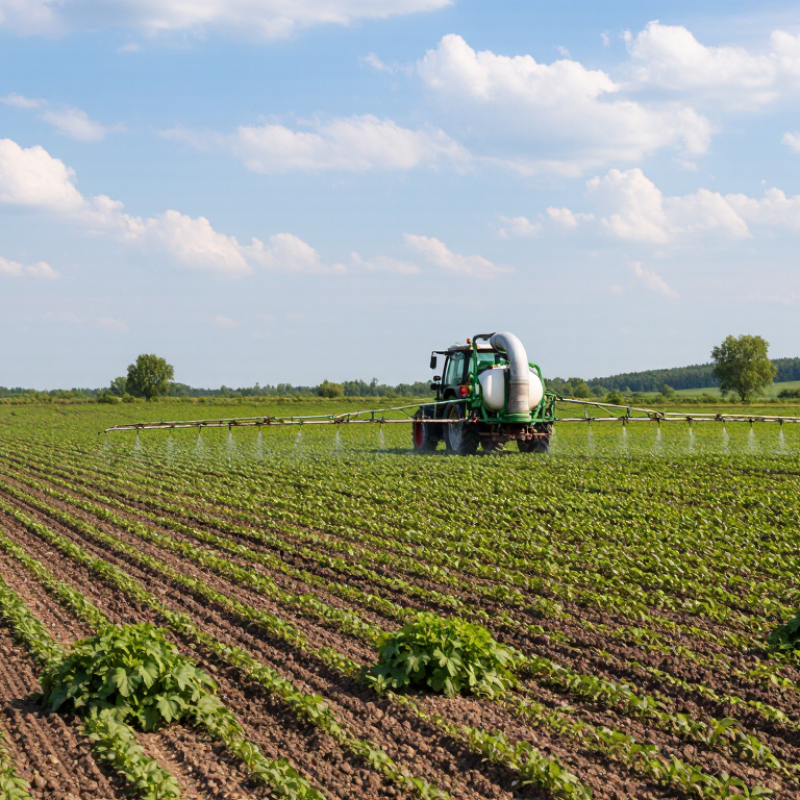
Chemical Weed Control Products: Main Types and Global Uses
Chemical weed-control products are commonly grouped by timing, selectivity, and movement within plants. Pre-emergence products target weeds as they germinate near the soil surface. Post-emergence products act on weeds already visible in a field. Selective herbicides target particular weeds while leaving specified crops unharmed when used as directed. Non-selective products control a broader range of vegetation. Contact herbicides affect treated plant tissue; systemic products move within the plant.
The distinction matters. A dry, dusty field and a damp one may produce different results, even with the same active ingredient.
Global buyers should match product type to crop, weed species, soil, and application conditions. FAOSTAT recorded 3.70 million tonnes of agricultural pesticide active ingredients used worldwide in 2022. This total covers all pesticide groups, not herbicides alone (FAO, FAOSTAT Pesticides Use). It signals the scale of crop-protection use, but does not tell buyers which weed-control option fits a particular field.
Compare active ingredient, formulation, target weeds, and label directions. Local registration requirements also differ between markets. A tidy product category can hide real field variation; that is easy to overlook. Product performance should be checked against local conditions, not assumed from a specification sheet.
Selective, Nonselective, Pre-emergence, and Post-emergence Herbicides
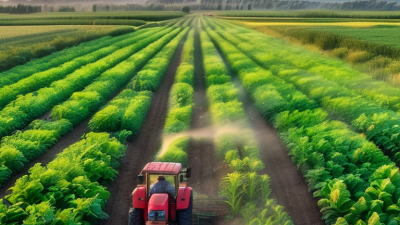
For global buyers, herbicide choice starts with the weed and crop, not the product label alone. Selective herbicides target certain weeds while preserving specified crops when used as directed. Nonselective products can injure most green plants they contact, so field edges and spray drift need careful attention. Check the active ingredient, application site, and local registration before purchase.
Timing matters just as much. Pre-emergence herbicides act on germinating weeds, often requiring suitable soil moisture and a well-prepared seedbed. Post-emergence products target weeds already visible; small, actively growing plants are often easier to manage. FAO’s Pesticides Use 2022 dataset records 3.70 million tonnes of pesticide use worldwide, across all pesticide classes—not herbicides alone. That distinction matters when comparing market data.
Resistance is another practical concern. The International Herbicide-Resistant Weed Database documents more than 500 unique cases worldwide, linking weed species with herbicide modes of action. Rotate effective modes of action and combine chemical control with cultivation or crop rotation where practical. Do not rely on rotation alone. A clean-looking field can still hide missed weeds, and weather, soil type, and application timing can change results. Product comparisons should include crop fit, target growth stage, residual activity, and resistance risks—not just price per litre.
Oerke’s 2006 Review Attributes 34% of Potential Crop Losses to Weeds
Oerke’s 2006 review attributed about 34% of potential crop losses to weeds. “Potential” matters: this figure describes estimated losses without effective control, not the damage every farm will experience. Actual pressure varies with crop, climate, weed species, and management. Still, the estimate shows why weeds deserve attention before they overtake a field.
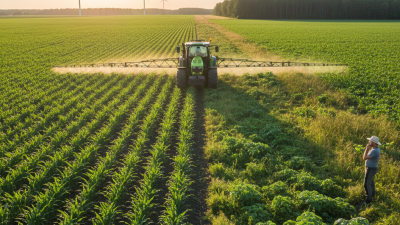
A young weed can compete for water and nutrients while a crop is establishing. In a soybean field, for example, weeds emerging between rows may be easy to miss until their leaves spread and shade the crop. Chemical control products can help, but performance depends on matching the active ingredient to the crop, target weeds, and growth stage. Timing is critical. Rainfall, soil conditions, and application quality can also affect results.
Herbicides work best as part of a broader plan, alongside scouting, crop rotation, and appropriate cultivation. Repeated reliance on the same mode of action can encourage resistant weed populations, so product choices should follow local expert guidance. Always follow the product label, including crop restrictions, protective equipment, and application instructions. A tidy field is not proof of good control. I would still inspect field edges and missed patches; they often reveal what a single pass failed to address.
International Database: 273 Herbicide-Resistant Weed Species in 72 Countries
An international database records 273 herbicide-resistant weed species across 72 countries. This count shows why global buyers should assess resistance by region, not rely on a product’s reputation elsewhere. A weed reported in one country may not occur locally, while resistance can vary between nearby farms. Database records also change as researchers confirm new cases, so buyers should check the source and update date before making decisions.
For a practical review, compare local weed surveys with current resistance reports and independent efficacy data. A field notebook showing species, treated areas, and control results can reveal patterns that broad regional figures miss. Ask qualified local advisers to assess whether a proposed herbicide is suitable for the crop, weeds, and registered uses in that location. Follow the product label and applicable regulations. Chemical control is only one tool; crop rotation and other non-chemical practices can help reduce selection pressure. Even careful plans can overlook a resistant patch. That is a reason to monitor fields after treatment, not to assume a database or product claim guarantees control.
Global Buyer Checklist: Crop Fit, Local Registration, Formulation, and Stewardship
Top Chemical Weed Control Products for Global Buyers
Choosing chemical weed-control products across markets starts with crop fit, not a global bestseller list. A product suited to one crop may damage another or perform poorly under different conditions. Match the target weed, crop stage, soil type, and climate to the locally approved product label. Small details matter.
Registration is market-specific and can change. Check the current authorization and permitted uses with the relevant local authority before purchasing or applying a product. Then compare formulation, packaging, storage needs, and compatibility with available spraying equipment. A formulation that handles well in a cool warehouse may behave differently during hot transport. Ask suppliers for clear technical documents and safety information, and confirm they match the product being offered.
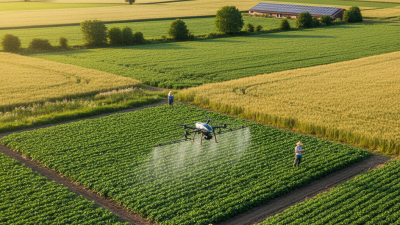
Stewardship belongs in the buying decision, too. Plan applications around label directions, suitable weather, and measures that reduce drift toward neighboring crops or waterways. Rotate modes of action where local guidance supports it, and combine chemical control with practices such as crop rotation and mechanical weed management. Keep application records and clean equipment between fields. No checklist removes uncertainty; field conditions still surprise, and a neat spreadsheet can miss what a grower sees on the ground.
Top Chemical Weed Control Products for Global Buyers
A buyer checklist for comparing crop fit, local registration, formulation, and stewardship.
How to use this chart: These illustrative screening scores are a planning framework, not measured market data or product ratings. Confirm crop and weed targets, verify registration for the intended country and use, check formulation suitability, and review label directions and stewardship requirements before purchase.