2026 Best Ceremonial Matcha Powder for Global Buyers
Choosing the right Ceremonial Matcha Powder in 2026 requires more than attractive packaging or vivid green color. Global buyers need evidence, consistency, and a clear understanding of what they are purchasing. This guide examines matcha origin, cultivar, harvest timing, shading practices, stone milling, and storage conditions. It also considers how these factors influence aroma, texture, sweetness, and price.
A reliable supplier should explain where the tea was grown and processed. Specific regional information is more useful than broad claims such as “Japanese quality.” Buyers should request current product specifications, batch details, laboratory testing, and transparent allergen information. Testing may include pesticide residues, heavy metals, microbiological safety, and other market-specific requirements. Certifications can help, but their value depends on verification and relevance to the destination market.
Taste still matters. High-grade powder often appears finely milled, feels smooth, and dissolves with limited grittiness. Its flavor may suggest fresh grass, steamed greens, gentle sweetness, or mild umami. However, personal preference and preparation water can change the experience. A product that performs beautifully in a traditional bowl may taste too intense in a latte. That is not necessarily a defect.
The market is not perfectly consistent. A premium label can still hide weak traceability, while a less famous supplier may offer excellent control. Buyers should compare samples, documentation, packaging, minimum order quantities, and delivery conditions before committing. Freshness matters greatly. Light, heat, moisture, and oxygen can quickly dull matcha’s color and character. This overview provides a practical, evidence-focused framework for making a more confident global purchasing decision.
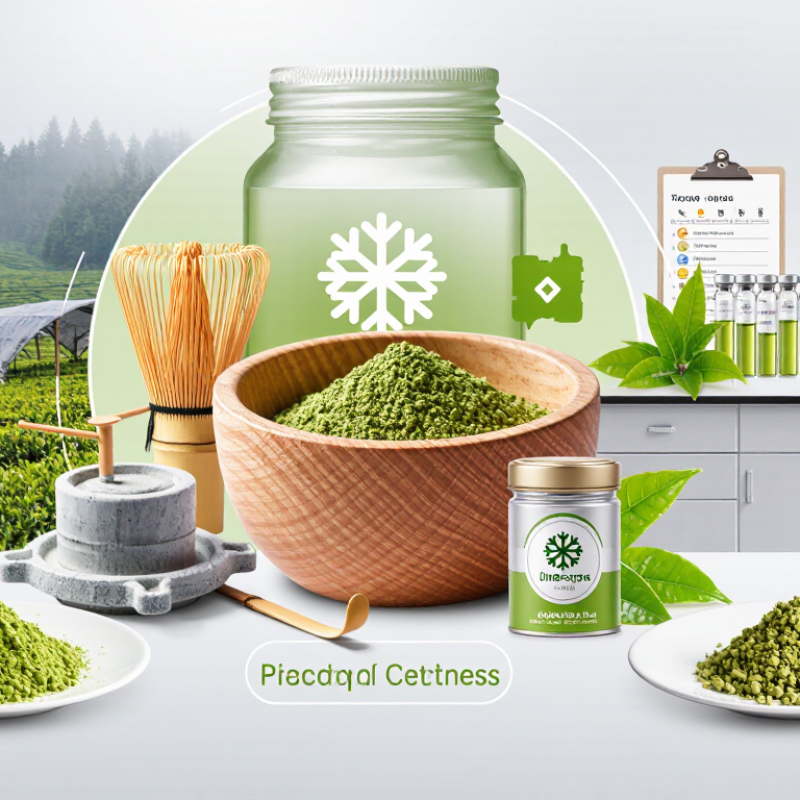
What Ceremonial Matcha Means in 2026
In 2026, ceremonial matcha means more than bright green powder. It signals a preparation-led quality category. The powder should whisk smoothly, taste fresh, and perform well without milk or sweeteners. The term remains imperfect. Unlike organic certification, “ceremonial” has no single global legal standard. Buyers must inspect evidence rather than trust packaging language.
Market reports explain the growing attention. Grand View Research’s 2024 Matcha Tea Market report estimated the global market at approximately USD 2.7 billion in 2023, with strong growth projected through 2030. Allied Market Research also forecasts rapid expansion, although its market boundaries differ. These estimates are useful, not absolute. FAOSTAT tracks tea broadly and does not separately verify ceremonial-grade matcha. That gap makes supplier documentation especially important.
A professional buyer should request harvest timing, growing region, shading practice, milling method, and batch testing. The dry powder should resemble fine silk, not coarse sand. Its aroma should suggest fresh greens, almonds, or sea breeze. A good bowl develops umami first, then a clean, mild finish. Harsh bitterness can indicate aging, oxidation, or poor preparation. Even experienced tasters disagree sometimes. I would not treat color alone as proof of quality. Storage also matters; heat, light, and oxygen can quickly flatten aroma. For global trade, clear origin records and consistent sensory samples are more reliable than ceremonial wording.
How to Evaluate Ceremonial Matcha Quality
For global buyers, “ceremonial” is a market term, not a universally regulated grade. Quality evaluation must go beyond a bright package or vivid green color. Japan’s Ministry of Agriculture, Forestry and Fisheries reported approximately 4,200 tonnes of tencha production in 2023. This limited raw material makes traceability important. Ask for the prefecture, harvest season, shading period, milling method, and lot number. A reliable supplier should also provide pesticide, heavy-metal, microbiological, and moisture test results.
Use your senses carefully. High-quality ceremonial matcha should show a clean, fresh aroma with notes of young greens, sea breeze, or mild sweetness. The powder should feel exceptionally fine between your fingers. In water, it should suspend smoothly and create a stable foam. Harsh bitterness, a dusty smell, dull olive color, or gritty sediment suggests age, poor storage, or weak processing. The International Organization for Standardization’s ISO 11287 standard supports structured green-tea evaluation, although it does not define ceremonial matcha itself.
Do not trust color alone. Some powders appear intensely green under strong lighting. That detail can mislead. I would compare samples blind, using identical water temperature and whisking time. A 70–75°C brew often reveals balance better than boiling water. Taste matters more than marketing language. Still, sensory judgment is imperfect. Personal preference can hide oxidation or excessive bitterness, so laboratory documents and an independent sample review should support the final purchasing decision.
2026 Best Ceremonial Matcha Powder for Global Buyers
How to Evaluate Ceremonial Matcha Quality
This practical 100-point buyer scorecard emphasizes the main quality signals used when evaluating ceremonial matcha: vivid green appearance, fresh aroma, balanced umami and sweetness, low bitterness and astringency, fine texture, and verifiable freshness and traceability. There is no single globally regulated definition of “ceremonial grade,” so buyers should combine sensory evaluation with transparent product information and laboratory documentation where available.
The weighting model is an illustrative procurement framework, not a universal industry standard.
Key Origin and Processing Factors for Global Buyers
Global buyers should treat ceremonial matcha as a quality description, not a universal legal grade. Origin matters. Japanese matcha often comes from regions such as Uji, Nishio, Yame, and Kagoshima, but location alone cannot prove excellence. Ask for the harvest year, cultivar, shading period, and lot traceability. These details connect a bright green powder to real farming decisions. Terroir also affects sweetness, bitterness, aroma, and mouthfeel. However, labels can simplify complex supply chains. Request documentation.
Before harvest, producers commonly shade tea plants for several weeks, increasing chlorophyll and supporting umami. After picking, leaves are steamed, dried, deveined, and milled into fine powder. Stone milling can protect aroma through slow processing, while excessive heat may flatten delicate notes. Particle size matters. A reliable supplier should explain milling conditions, moisture control, packaging date, and storage temperature. Opaque, airtight packaging helps protect color and fragrance during international transport. Yet careful handling cannot repair old or poorly stored material.
Buyers should request independent tests for pesticides, heavy metals, microbes, and contamination risks relevant to their market. Certificates can support trust, but they should match the actual production lot. Ask for a sample before placing a large order. Whisk it warm. Fresh matcha should smell vegetal, clean, and mildly sweet, with a smooth finish rather than harsh dryness. Still, sensory judgment is personal. Even experts disagree sometimes. Compare samples under the same water temperature, dosage, and light. A brilliant color can mislead.
How to Choose the Best Ceremonial Matcha for Your Market
For global buyers, the best ceremonial matcha is not simply the brightest green powder. Market fit matters. A Japanese origin, spring harvest, shade-growing, and stone milling are useful indicators, not automatic proof. Ask for the cultivar, harvest date, milling method, lot number, and complete traceability records. A reliable supplier should provide recent pesticide, microbiological, heavy-metal, and contaminant test results. Review the laboratory scope, not only a polished certificate. That detail protects buyers and consumers.
The word ceremonial has no single global definition. Evaluate each sample with a consistent method. Whisk two grams with 60 milliliters of warm water, around 70–80°C. Check the powder’s aroma, texture, color, foam, and aftertaste. High-quality matcha often feels smooth, fresh, and naturally sweet. Strong bitterness, stale hay notes, or gritty particles deserve investigation. Do not judge color alone. Lighting can mislead. A sample tasting excellent today may lose freshness after poor storage.
Match the product to your market. Retail customers may need small, opaque, resealable packs with clear preparation guidance. Cafés may prioritize stable flavor, dissolving performance, and dependable supply. Confirm the inner packaging, oxygen control, storage temperature, shelf life, and shipping conditions. Request samples from more than one lot when possible. No grading system is perfect. My own buying mistake was trusting vivid color before checking the aftertaste and test documentation. Build a scorecard, record sensory results, and leave room to revise your decision.